
The Magazine December 2026

More from this issue



Rider injury prevention
Posted 21st October 2026
Learn how your shoulders can affect your riding and how to improve their strength and mobility
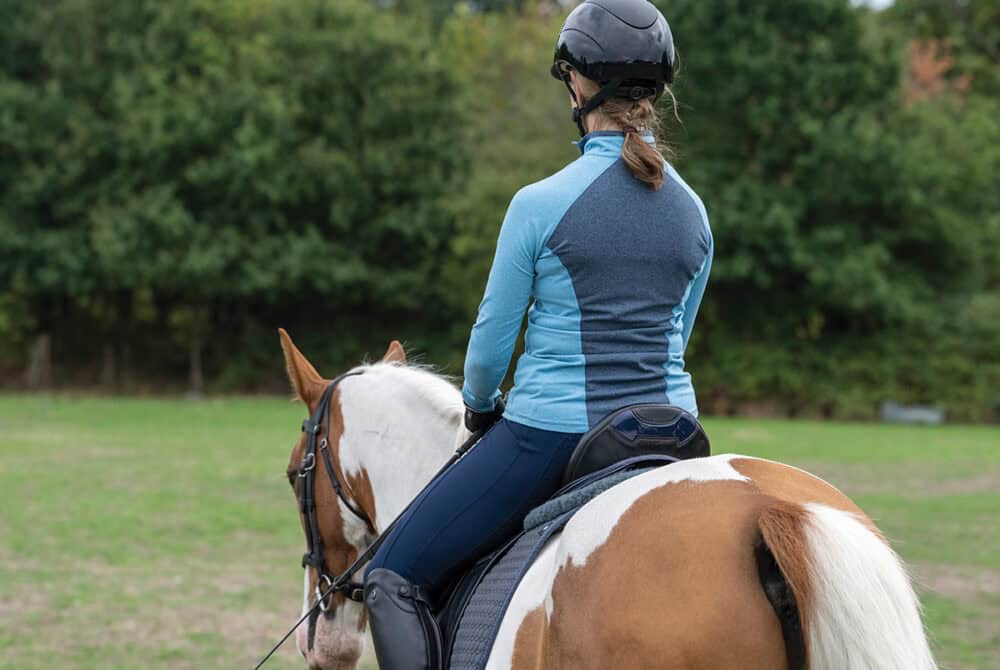
The shoulder is a complex, highly mobile joint that can move in 13 different ways. Compare this to the knee, for example, which has only two primary movements. The shoulders’ movements allow us to pull, push, lift, carry and reach in many directions and planes. However, what it gains in mobility it lacks in stability, and this can make shoulders vulnerable to injury.
Rider impact
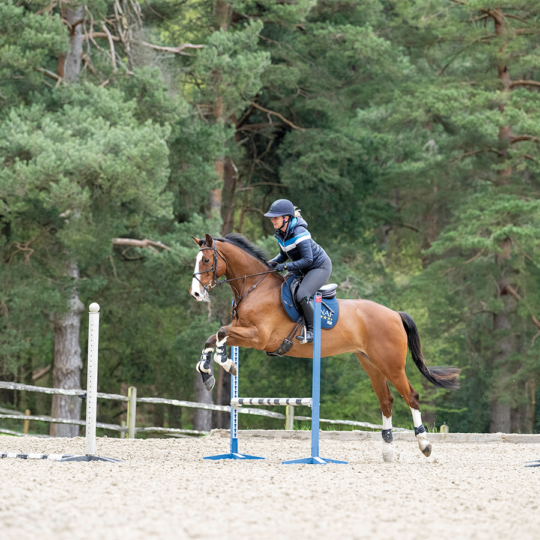
Having healthy, strong and mobile shoulders is so important as a rider in order to:
- give independent rein aids
- create soft hands and an elastic contact
- keep a steady contact by preventing the elbows from flapping outwards
- stabilise the upper body
- promote full breathing
- create a correct and elegant upright riding posture
- absorb the motion of the horse without blocking their stride
- reduce the risk of accidents and injuries
- carry out yard duties and tacking up with ease
The anatomy
The key muscle groups of the shoulder joint are:
The rotator cuff – these four muscles form a band of support around the shoulder as well as being responsible for and assisting with movement and stability.
The deltoid – this large muscle has three sections – the anterior, middle and posterior deltoids. These strong muscles stabilise the joint, keeping the ball of the humerus in the socket, and are used for lifting your arm in different directions. They also give the shoulder its rounded shape.
The stabiliser group – which includes the trapezius, rhomboids and serratus anterior muscles that work together to stabilise and protect the scapula.
Common injuries
The shoulder joint is a delicate, complex structure and there are many muscles, bones, tendons, ligaments and other soft tissues in a small area. This space can become even smaller if bone spurs grow or there is inflammation due to injury. Pinching, squeezing and friction can occur during movement as one structure comes into contact with another. The bursa (a fluid filled sac) is particularly vulnerable to this and can develop bursitis, which causes pain when reaching overhead or behind your back.
Damage to the rotator cuff group can be a result of ageing, repetitive strain injuries, impact (perhaps after a fall), or tendonitis. This may lead to a dull ache in the shoulder and sometimes the arm.
Find out exercises you can do to strengthen your shoulders on page 52 of December Horse&Rider – pick up your copy today!